Table of Contents
Table of Contents
Introduction
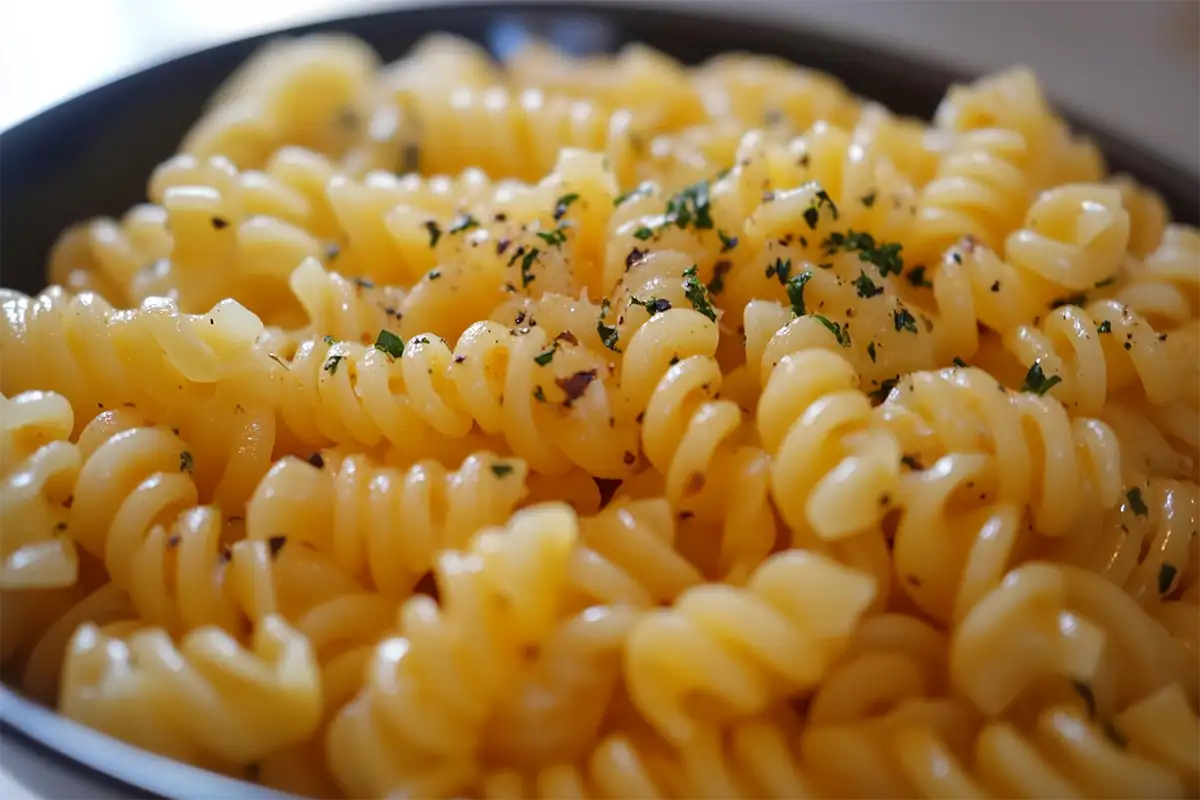
When it comes to pasta shapes, few are as versatile and fun as corkscrew pasta. Whether you know it as Cellentani, Rotini, or Fusilli, this twisted, spiral-shaped pasta is a favorite in kitchens worldwide. Its unique ridges and curves make it perfect for clinging to rich sauces, gooey cheese, and flavorful seasonings.
Unlike long, smooth pasta varieties, corkscrew pasta traps every bite of sauce, ensuring a burst of flavor in every forkful. It works beautifully in baked dishes, creamy pasta, cold salads, and even one-pot meals. Plus, it’s available in regular, whole wheat, and gluten-free options, making it a great choice for different diets.
What is Corkscrew Pasta?
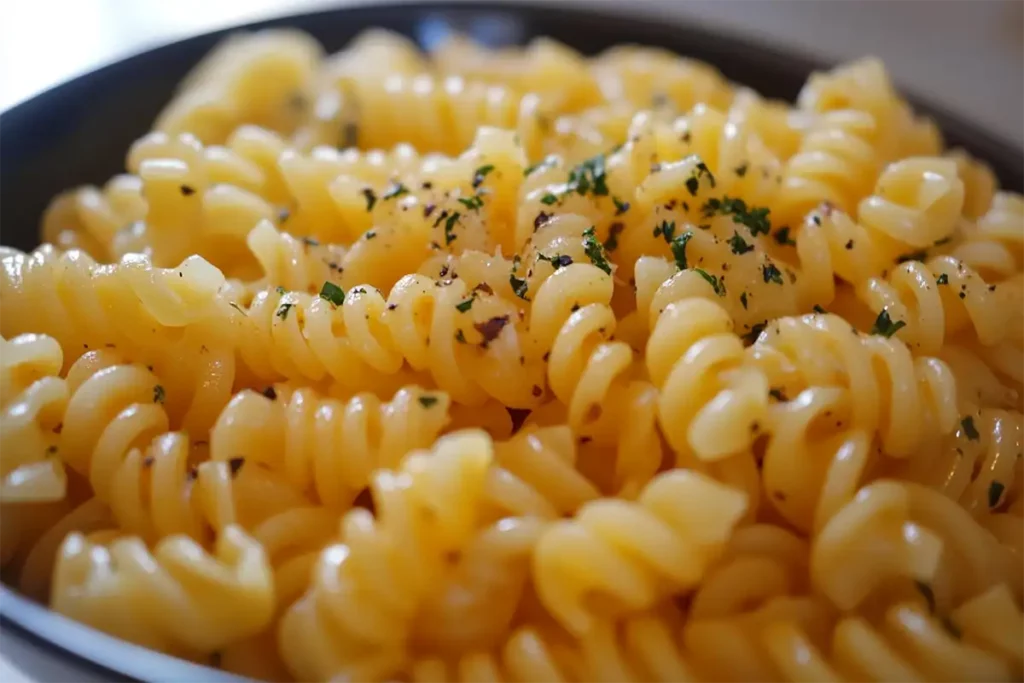
Corkscrew pasta is a twisted, spiral-shaped pasta known for its ability to hold sauces, seasonings, and cheese in its ridges. Its spring-like structure ensures that every bite is flavorful, making it a favorite for both creamy and chunky sauces.
Different Types of Corkscrew Pasta
Several pasta varieties fall under the corkscrew pasta category, each with its own unique characteristics:
- Cellentani – A thick, hollow, ridged spiral pasta that works well in baked pasta dishes, mac and cheese, and meaty sauces.
- Rotini – A smaller, tightly wound corkscrew pasta commonly used in cold pasta salads, casseroles, and hearty sauces.
- Fusilli – A lighter, thinner version of corkscrew pasta, perfect for light tomato sauces, pesto, or oil-based dressings.
Types of Corkscrew Pasta & How to Use Them
Not all corkscrew pasta is the same! While they all share a spiral shape, different varieties have unique textures, thicknesses, and uses. Choosing the right type can enhance your dish, ensuring the perfect balance between sauce, texture, and flavor.
1. Cellentani – The Thick & Chewy Spiral
- Shape & Texture: Thick, ridged, and hollow inside, allowing sauces to coat both the outside and inside of the pasta.
- Best Uses:
- Baked dishes (mac & cheese, casseroles).
- Creamy or cheesy sauces (Alfredo, bechamel, cheddar).
- Chunky meat sauces (Bolognese, ragu).
- Why Choose It? The hollow center traps sauce, making every bite rich and flavorful.
2. Rotini – The Versatile Corkscrew
- Shape & Texture: Smaller, tightly wound spirals that are dense and chewy.
- Best Uses:
- Cold pasta salads (Italian pasta salad, Greek pasta salad).
- One-pot pasta dishes (creamy tomato rotini, taco pasta).
- Hearty vegetable sauces (marinara, primavera, roasted red pepper sauce).
- Why Choose It? Holds up well in both hot and cold dishes and absorbs flavors quickly.
3. Fusilli – The Delicate Spiral
- Shape & Texture: Similar to rotini but lighter and less dense, often made with a smoother surface.
- Best Uses:
- Light tomato or olive oil-based sauces (pesto, aglio e olio).
- Seafood pasta dishes (shrimp scampi, garlic butter fusilli).
- Soups & broths (minestrone, Italian wedding soup).
- Why Choose It? Works best with lighter sauces that don’t weigh it down.
4. Whole Wheat & Gluten-Free
- Whole Wheat Cellentani & Rotini: Adds a nutty, earthy flavor with extra fiber.
- Gluten-Free Options: Made from chickpeas, lentils, or quinoa, providing a higher protein alternative.
- Best Uses:
- Whole wheat pairs well with hearty sauces like pesto or meat ragu.
- Gluten-free versions work well in cold pasta salads or light oil-based dishes.
Choosing the Right Corkscrew Pasta for Your Dish
- For baked dishes: Use Cellentani for its firm texture.
- For cold salads: Go for Rotini to hold dressings well.
- For delicate sauces: Pick Fusilli to avoid overpowering the flavors.
How to Cook Corkscrew Pasta Perfectly
Cooking corkscrew pasta might seem simple, but small mistakes can lead to mushy, sticky, or undercooked pasta. Follow these steps to get perfectly al dente spirals every time!
Step 1: Use the Right Amount of Water
- Always use 4-6 quarts of water per pound of pasta to prevent sticking.
- A large pot ensures the pasta has enough space to move freely, allowing even cooking.
Step 2: Salt the Water Generously
- Before adding pasta, add one or two teaspoons of salt to the boiling water.
- This enhances the pasta’s natural flavor and ensures it absorbs seasoning while cooking.
Step 3: Cook Until Al Dente
- Bring water to a rolling boil, then add the pasta.
- Stir occasionally to prevent clumping.
- Follow package instructions, but start testing 2 minutes before the suggested time.
- Al dente texture means the pasta is tender with a slight chew—perfect for absorbing sauces.
Step 4: Drain, But Don’t Rinse!
- Use a colander to drain pasta but avoid rinsing with water (unless making a pasta salad).
- Why? The starch that keeps sauces on pasta is eliminated by rinsing.
Step 5: Save Some Pasta Water
- Before draining, reserve ½ cup of pasta water.
- The starchy water helps thicken sauces, creating a smoother consistency.
Bonus Tips for Perfect Pasta
✔ For baked dishes: Undercook pasta by 1-2 minutes since it continues cooking in the oven.
✔ For pasta salads: Rinse briefly with cold water to stop cooking and prevent stickiness.
✔ For meal prep: Toss pasta with a light drizzle of olive oil before storing to prevent clumping.
The Best Sauces for Corkscrew
One of the best things about corkscrew pasta is its ability to hold onto sauces like a pro. Thanks to its twists, ridges, and curves, every bite is packed with flavor. Whether you prefer rich and creamy sauces, chunky meat-based options, or light and fresh dressings, there’s a perfect sauce for every corkscrew pasta dish.
Rich & Creamy Sauces (Best for Cellentani & Rotini)
These thick, velvety sauces cling to the pasta’s curves, making each bite irresistibly smooth.
- Alfredo Sauce – A buttery, parmesan-rich cream sauce that’s perfect for a comforting meal.
- Cheddar Cheese Sauce – A go-to for baked mac and cheese with Cellentani.
- Creamy Pesto – Blending basil pesto with heavy cream creates a smooth, flavorful coating.
Chunky Meat Sauces (Best for Rotini & Cellentani)
The deep grooves in corkscrew pasta make it ideal for capturing hearty meat-based sauces.
- Classic Bolognese – A slow-cooked tomato and ground beef sauce that fills every twist of the pasta.
- Sausage & Peppers Sauce – A mix of spicy Italian sausage, bell peppers, and onions in a rich tomato base.
- Beef or Turkey Ragu – A slow-simmered meat sauce that pairs beautifully with ridged pasta.
Light & Oil-Based Sauces (Best for Fusilli & Rotini)
These sauces keep pasta light yet flavorful, perfect for quick meals and fresh ingredients.
- Garlic & Olive Oil (Aglio e Olio) – A simple yet satisfying blend of garlic, chili flakes, and olive oil.
- Lemon Butter Sauce – A bright, citrusy sauce ideal for seafood pasta dishes.
- Pesto Sauce – A classic basil-based sauce that works well with Fusilli’s delicate structure.
Spicy & Zesty Sauces (Best for All Corkscrew Pasta Types)
For those who love bold flavors, these sauces add a punch of heat and tang.
- Arrabbiata Sauce – A spicy tomato sauce infused with chili flakes for a fiery kick.
- Buffalo Cheese Sauce – A creamy buffalo-flavored sauce that pairs perfectly with grilled chicken.
- Chipotle Cream Sauce – A smoky, spicy sauce that adds a Tex-Mex twist to your pasta dish.
Which Sauce Should You Choose?
- For baked dishes? Go with cheese-based sauces.
- For hearty meals? Opt for chunky meat sauces.
- For fresh, summer pasta? Light oil-based or citrus sauces work best.
Storage and Reheating Tips for Corkscrew Pasta
Keeping corkscrew pasta fresh and delicious requires proper storage and reheating methods. Whether you have leftovers or want to meal prep, follow these tips to maintain the perfect texture and flavor.
How to Store Cooked Corkscrew Pasta
- Refrigeration: Store cooked pasta in an airtight container in the fridge for up to 4-5 days.
- Freezing: Spread the pasta on a baking sheet to freeze individually, then transfer to a freezer-safe bag for up to 3 months.
- Prevent Stickiness: Toss pasta with a small amount of olive oil before storing to keep it from clumping.
Best Methods for Reheating Corkscrew Pasta
- Stovetop (Best for Sauced Pasta): Heat in a pan with a splash of water or broth over medium heat, stirring frequently.
- Oven (Best for Baked Pasta): Cover with foil and bake at 350°F (175°C) for 15-20 minutes until warmed through.
- Microwave (Quickest Option): Add a little water or sauce, cover loosely, and heat in 30-second intervals, stirring between each.
FAQs About Corkscrew Pasta
Corkscrew pasta is a favorite for pasta lovers, but many people have questions about its types, cooking methods, and best uses. Here are some of the most frequently asked questions to help you get the best out of this twisty, sauce-hugging pasta!
1. What makes corkscrew pasta different from other pasta shapes?
Corkscrew pasta stands out because of its spiral shape and ridged texture, which help it hold onto sauces better than smoother pasta like spaghetti or penne. It’s perfect for chunky, creamy, and oil-based sauces because the grooves trap flavor in every bite.
2. What is the difference between Cellentani, Rotini, and Fusilli?
- Cellentani – Thicker, hollow, and holds heavier sauces and baked dishes well.
- Rotini – Smaller, tighter spirals, great for cold pasta salads and creamy sauces.
- Fusilli – A delicate spiral that pairs best with light tomato and oil-based sauces.
3. Can I use corkscrew pasta instead of penne or macaroni?
Yes! Corkscrew pasta can replace penne, macaroni, or even rigatoni in most recipes. It works especially well in baked pasta dishes, mac & cheese, and hearty meat sauces.
4. How do I prevent corkscrew pasta from sticking together?
To keep pasta from clumping:
- A minimum of four to six quarts of water should be used for every pound of pasta.
- Stir frequently while cooking.
- Drain without rinsing (unless making a cold pasta salad).
- Toss with a little olive oil before storing in the fridge.
5. Can I make homemade corkscrew pasta?
Yes! Fresh corkscrew pasta can be made with a pasta extruder machine or by hand-rolling and twisting pasta dough. Homemade versions often have a chewier, more rustic texture compared to store-bought varieties.
For more Recipes visit us